Hidden water leaks can cause damage to walls, ceilings, floors, and kitchen cabinets before the source becomes visible. In Dubai apartments, a small leak from a pipe, bathroom fitting, water heater, or washing machine connection can gradually turn into a costly maintenance problem.
Recognising the early hidden water leak signs in Dubai apartments can help residents take action before the damage spreads. In this guide, Fix Home Experts explains seven warning signs, practical checks you can make, and when to contact a professional plumber.
Why Are Hidden Water Leaks a Concern in Dubai?
Hidden Water Leak Signs in Dubai Apartments do not always produce obvious puddles. Some develop behind walls, beneath sinks, around bathroom fittings, or inside ceiling spaces. Older connections, damaged seals, faulty fixtures, and poorly maintained plumbing components can all contribute to leakage.
Dubai Electricity and Water Authority (DEWA) advises residents to check internal water connections and watch for signs such as water stains and unusual water consumption.
7 Hidden Water Leak Signs in Dubai Apartments
1. Water Stains on Walls or Ceilings
Yellow, brown, or dark patches on walls and ceilings may indicate moisture entering the surface. Paint may bubble, peel, or develop discoloured areas.
Check whether the stain is growing or returning after the area dries. A leak from an upstairs apartment, a plumbing connection, or an air conditioning drainage system may be responsible, so the source should be identified before repairs begin.
2. A Sudden Increase in Your Water Bill
If your water usage has not changed but your bill increases unexpectedly, a hidden leak could be one possible explanation.
Check taps, toilet cisterns, water heaters, and visible pipes for signs of leakage. You can also monitor your water meter according to the utility provider’s guidance when water-consuming appliances are switched off.
An unexplained increase does not always mean there is a leak, but it is worth investigating.
3. Musty Smells in Bathrooms or Cupboards
A persistent damp or musty smell may indicate moisture trapped behind cabinets, beneath sinks, or inside enclosed spaces.
Inspect visible plumbing connections and look for damp surfaces or discolouration. Mould, drainage issues, and poor ventilation can also cause unpleasant smells, so do not assume that a pipe leak is the only possible cause.
4. Damp Kitchen Cabinets Under the Sink
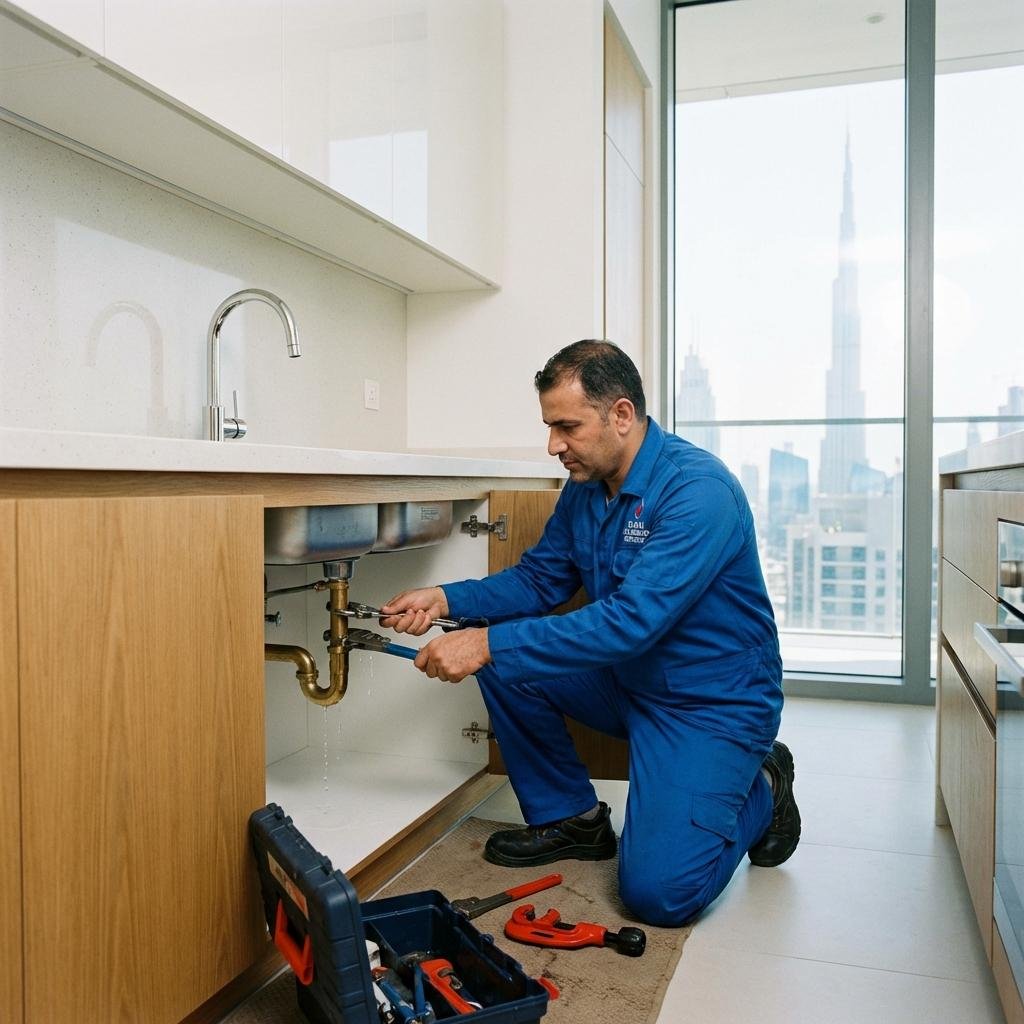
The cabinet beneath your kitchen sink is an important place to check. Small leaks from drain connections, supply hoses, taps, or seals can go unnoticed for weeks.
Look for swollen cabinet panels, peeling finishes, water droplets, or damp items stored underneath the sink.
Remove stored items so you can inspect the visible connections. If you find active leakage, arrange a professional plumbing inspection rather than dismantling pressurised connections yourself.
5. Water Pooling Near a Washing Machine or Water Heater
Water around a washing machine may indicate a loose connection, damaged hose, or drainage problem. Water near a water heater may point to a leaking valve, pipe connection, or damaged tank.
Do not ignore repeated moisture around these appliances. If water is near electrical equipment, avoid touching wet electrical components and seek urgent professional assistance. Isolate power only if it can be done safely.
6. Loose Tiles or Damaged Bathroom Grout
Persistent moisture behind bathroom tiles can sometimes contribute to loose tiles, deteriorating grout, or damage to nearby surfaces.
However, damaged grout alone does not prove that a water pipe is leaking. Failed waterproofing, normal wear, and water penetration around shower fittings can also be responsible.
A professional inspection can help identify whether the problem comes from plumbing, waterproofing, or another source.
7. You Hear Water Running When Everything Is Off
If taps, washing machines, and other water-consuming appliances are switched off but you still hear water running, investigate further.
A continuously running toilet cistern or a concealed plumbing leak may be responsible. Check accessible fixtures first and monitor your water meter if appropriate.
If the sound continues and you cannot identify the source, a plumber may need to carry out leak detection.
What Should You Do If You Find a Water Leak?
Take these steps to limit potential damage:
- Turn off the nearest suitable water isolation valve if it is safe to access.
- Move belongings away from the affected area.
- Avoid touching electrical switches or appliances in wet areas.
- Photograph visible damage for your records.
- Hidden Water Leak Signs in Dubai Apartments
- Contact building management if the leak may come from another apartment or a shared pipe.
- Arrange a professional inspection to locate the source and determine the correct repair.
Do not simply repaint a damp wall or cover a water stain before the cause has been identified and resolved.
When Should You Call a Plumber in Dubai?
Professional plumbing assistance is recommended when a leak continues, water stains spread, water pressure changes unexpectedly, or the source is hidden behind a wall or ceiling.
A plumber may inspect visible connections, check fixtures, and use suitable leak detection methods to narrow down the source before recommending repairs.
For significant leaks, ceiling drips, sewage backflow, or water near electrical equipment, seek urgent assistance rather than waiting for a routine appointment.
Plumbing Services in Dubai by Fix Home Experts
Water leaks can affect apartments, villas, and commercial properties. Early investigation helps identify the cause and determine whether a connection, fixture, pipe, or drainage component needs repair.
Fix Home Experts offers home maintenance solutions for Dubai residents. If you notice signs of a plumbing leak, visit our Plumbing Services in Dubai page to enquire about available services.
Do not ignore recurring damp patches or unexplained water usage. Identifying the source early can help you plan the appropriate repair and reduce the risk of further property damage.
Frequently Asked Questions
1. What are the first signs of a hidden water leak?
Common warning signs include damp patches, water stains, musty smells, unexplained increases in water usage, and moisture under sinks or near appliances.
2. Can a hidden water leak increase my water bill?
Yes. A continuous leak can waste water and contribute to higher consumption, although other factors may also explain an increase in your bill.
3. How can I check for a water leak in my apartment?
Inspect Hidden Water Leak Signs in Dubai Apartments visible pipes and fixtures, check for damp areas, and monitor your water meter when all water-consuming appliances are switched off. Follow your utility provider’s guidance.
4. Can a ceiling water stain come from an AC unit?
Yes. A blocked or faulty AC condensate drainage system can cause ceiling moisture. Plumbing leaks and water entering from another unit are also possible causes.
5. Should I repair a hidden water leak myself?
Minor accessible issues may be straightforward, but concealed pipes, active leaks, water heaters, and wet electrical areas can be hazardous. Professional assessment is recommended when the source is uncertain or the leak is significant.
6. When should I contact a plumber in Dubai?
Contact a plumber when leakage persists, damp patches grow, water consumption rises without explanation, or the leak is concealed. Seek urgent help for uncontrolled water flow or water near electrical equipment.Hidden Water Leak Signs in Dubai Apartments.